

A pure tincture
The Banisteriopsis caapi vine —usually referred to simply as caapi—has been used in the Amazon region for generations. Caapi is best known as one of the ingredients in ayahuasca.
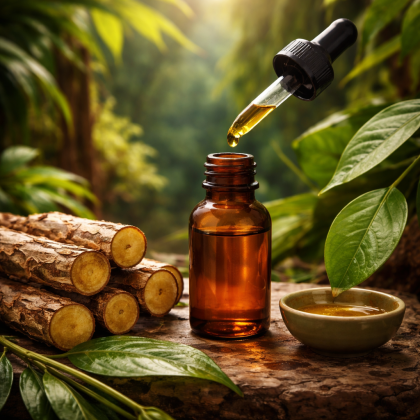
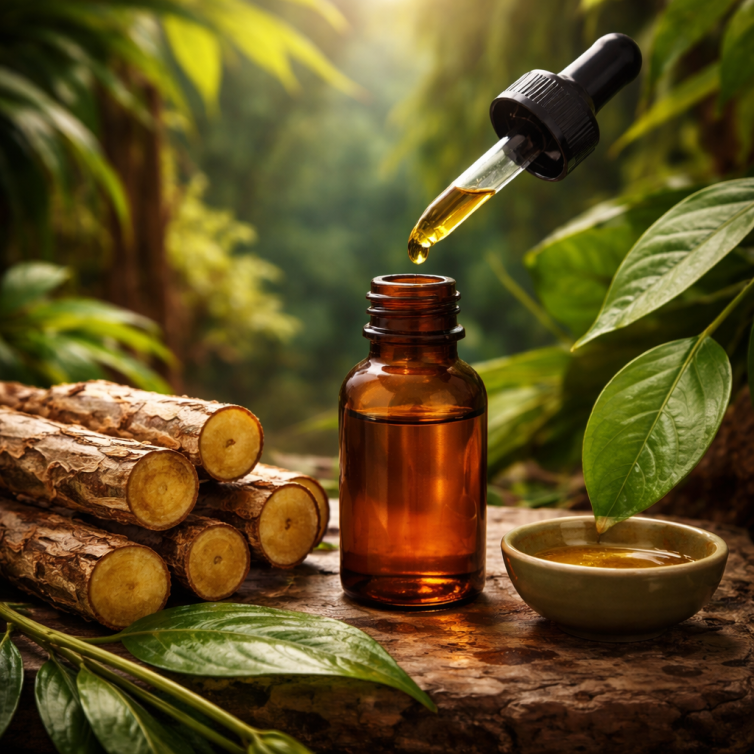
At Microvibes, we have our own caapi tincture 4x extract : a concentrated extract of yellow Banisteriopsis caapi from Brazil, in a 4:1 ratio. According to the product information, this means that 4 grams of caapi are used per 1 milliliter of tincture. See also: botanicals.
The tincture is made using an extraction method reminiscent of traditional preparations: slow cooking, reduction, and distillation to capture the essence of the vine. We use only the pure vine, without adding chakruna or any other plants. The cooking process involves only caapi, water, and apple cider vinegar.
The result is a pure tincture in the botanicals and tinctures category: subtle, plant-based, and of interest to anyone exploring caapi, botanical traditions, mindful routines, and microdosing.
No alcohol.
No additives.
Only the essence of the caapi vine.
What is Banisteriopsis caapi?
Banisteriopsis caapi is a vine native to the Amazon region and one of the best-known plants used in traditional plant-based rituals.
The plant naturally contains alkaloids such as harmine, harmaline, and tetrahydroharmine
These compounds belong to the group of β-carboline alkaloids and are frequently mentioned in the scientific literature in relation to MAO-A inhibition. MAO-A is an enzyme involved in the breakdown of neurotransmitters such as serotonin, dopamine, and norepinephrine.
The following themes often recur in personal stories about caapi:
– inner peace
– clarity
– emotional openness
– introspection
– connection to ritual and reflection
In traditional contexts, caapi is sometimes described as “the teacher” or the foundational plant of ayahuasca: the vine that provides direction, structure, and depth to the experience. This description is part of the plant’s cultural and ritual significance, and explains why caapi holds such a special place in the world of botanicals and plant traditions.
(text continues below)
Caapi Tincture – Yellow Caapi Extract (10 ml)
A pure natural tincture - 10ml bottle for $29.50. Many people describe the experience as:
* Calmer mind
* Less mental noise
* Greater emotional clarity
* A sense of connection with yourself
Microdosing with caapi
When people think of microdosing, they usually think of LSD-like substances, truffles, or magic mushrooms. However, caapi is also being mentioned more and more often within the microdosing and botanical niche.
The difference from traditional psychedelics is that many people experience caapi as gentler, less immediate, and more inward-focused. It’s not something that pulls you out of reality, but rather a subtle shift in attention, mood, and self-reflection.

How does microdosing with caapi work?
Microdosing is all about subtle effects. So you don't take a large amount.
Starting dose
A good start is usually 1 to 3 drops of caapi tincture.
Preferably take this in the morning or early afternoon.
Microdosing schedule
Many people use a simple schedule such as:
– Day 1: microdose
– Day 2: rest day
– Day 3: rest day
Then the cycle starts again. Rest days are not necessary (as is the case with truffles, for example), but they give your body and mind time to process the effects.
Find your sweet spot
Everyone reacts differently to plants. The ideal dose is usually just below the threshold at which you notice clear effects.
If you don't notice any effects, you can slowly increase the dose.
If you notice too many effects, you can reduce the dose slightly.
Experiences with caapi microdosing
Although there is still little scientific research into caapi microdosing, more and more people are sharing their experiences online.
Common responses include, for example:
“It feels like my head is becoming quieter.”
“I react less out of stress.”
“I find it easier to look at myself.”
“It’s subtle, but still noticeable.”
Some compare the effect to gentle inner guidance — as if you gain a little more distance from your thoughts.
More blogs




Would you like to order microdoses?
Check out all products and current promotions in the online store.