

Some plants whisper. The Blue Lotus sings.
For thousands of years, the Blue Lotus has been associated with mysticism and a refined sensory experience. In ancient Egypt, the flower was depicted in temples and royal scenes as a symbol of consciousness, relaxation, and inner expansion.
What makes the Blue Lotus so special?
Blue Lotus naturally contains alkaloids such as aporphine and nuciferine. In contemporary descriptions, the flower is often described as:
– Mildly euphoric
– Slightly numbing
– Dreamy and sensory
– Subtly mood-enhancing
– Physically relaxing
The experience is usually described not as overwhelming, but as a warm, flowing glow. As if the sharp edges of the day are slowly fading away.
A flower for the evening
Enthusiasts find Blue Lotus particularly pleasant in the evening hours. This is the moment when the mind can slow down and the body can prepare for rest and sleep.
In user descriptions, the flower is often mentioned in combination with:
– Deeper relaxation
– Easier to fall asleep
– More peaceful movement throughout the night
– Less mental noise before bedtime
No knockout effect. No heavy sedation. Rather, a gentle transition into the night. For many, it is a natural and fixed evening ritual.
(text continues below)
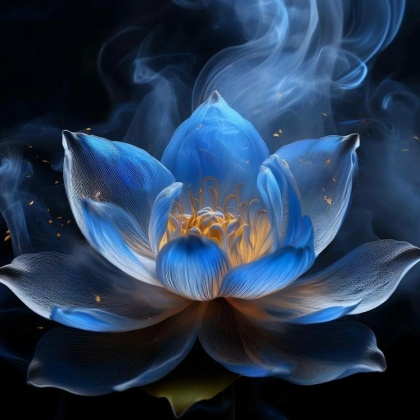
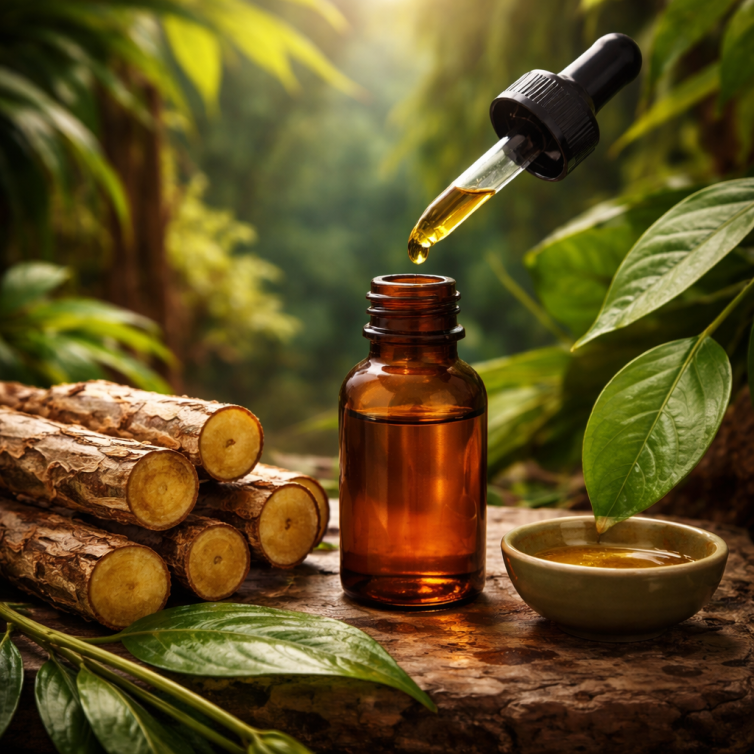
Blue Lotus extract 15x
New in our range, Blue Lotus extract - 10 ml bottle for $19.50
* Mildly euphoric
* Slightly numbing
* Dreamy and sensual
* Subtly mood-enhancing
* Physically relaxing
Euphoria and Stupor – what does that mean?
When people talk about "euphoria" with Blue Lotus, they usually don't mean exuberant energy or psychedelic ecstasy. It's more about a light, warm contentment.
A relaxed smile.
A sense of well-being.
A soothing of tension.
“Numbing” is often described as mild physical relaxation—a subtle loosening of the muscles and nervous system. Not heavy, not drowsy, but fluid. The intensity usually remains mild and manageable.
Ideal as a supplement to micro- and macrodosing
Blue Lotus is seen by many enthusiasts as an interesting addition to broader consciousness rituals.
With microdosing
Some people combine Blue Lotus with microdosing regimens to:
– Ending the day more calmly
– Creating a gentler transition to the evening
– Balancing the stimulating nature of certain microdoses
It is then not used to strengthen, but rather to soften.
With macrodosing
In relation to deeper psychedelic experiences, Blue Lotus is sometimes referred to as:
– Preparatory ceremonial plant
– Soothing integration aid after the ceremony
– Support in grounding in the body
The profile of Blue Lotus is often described as complementary: less mental, more physical and sensory.

Why so many people are drawn to Blue Lotus
Blue Lotus fits into a modern movement in which people are searching for:
– Natural rituals
– Conscious relaxation
– Alternatives to alcohol
– Gentle mood support
– Evenings without digital overstimulation
It is not a hard stimulant.
Not an extreme psychedelic.
But a plant that invites you to slow down.
Blue Lotus Products
In our online store, you'll find the following products made with Blue Lotus:
Blue Lotus Tincture
Magic Blue Lotus Herbal Smokes
Canna Vibes herbal smokes
In conclusion
Blue Lotus is not a flashy plant.
It works subtly.
And it is precisely in that subtlety that its appeal lies.
A gentle euphoria.
A slight numbness.
An invitation to relax.
(text continues below)
Blue Lotus extract 15x
New in our range, Blue Lotus extract - 10 ml bottle for $19.50
* Mildly euphoric
* Slightly numbing
* Dreamy and sensual
* Subtly mood-enhancing
* Physically relaxing
More blogs

Blue Lotus Tincture
Check out all botanical products and current promotions in the online store.